About Sheri Oz
A journey from reluctance to deep roots.
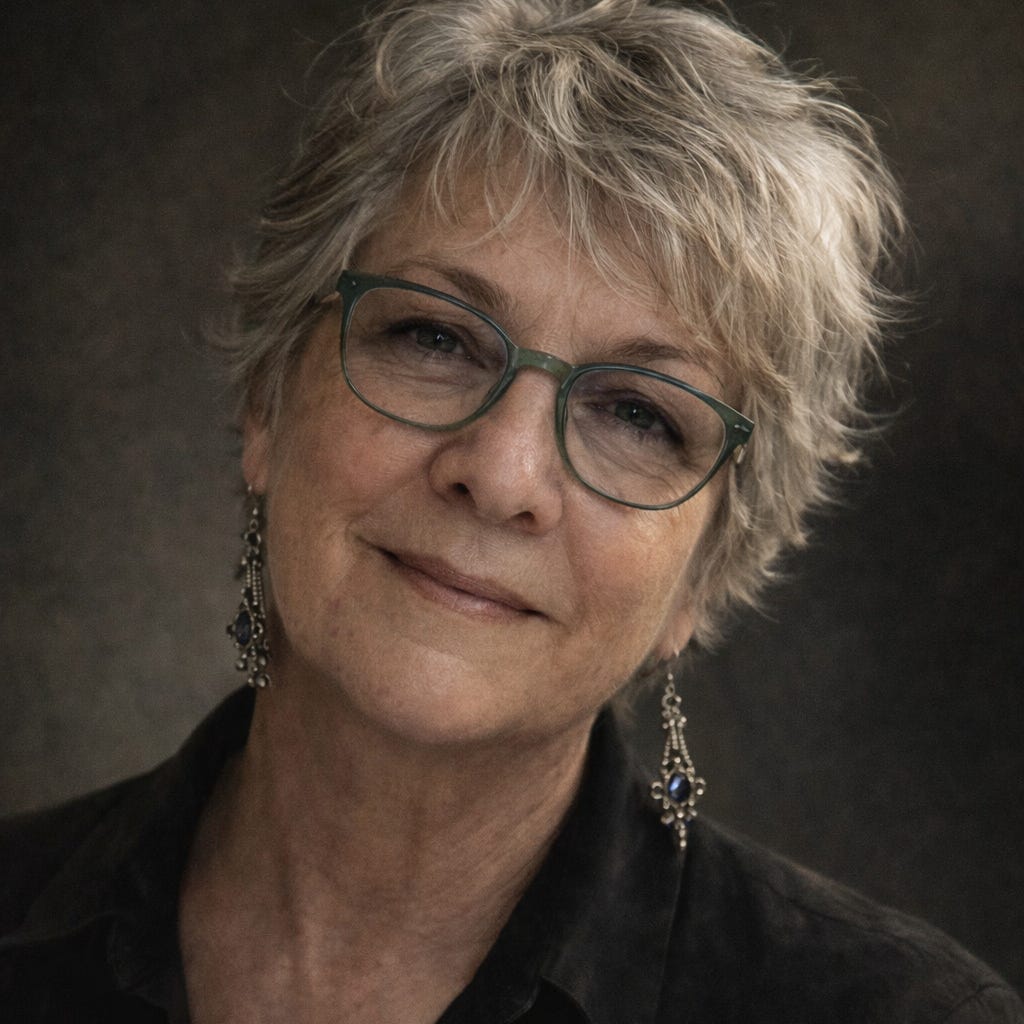
My relationship with Israel has never been simple. When I first came here in the summer of 1970, I hated it. I stayed for a month and vowed never to return. Two years later, the love of a man brought me back. During those three months I fell in love with Israel and out of love with the man. He eventually returned to Canada. After completing my BSc at the University of Toronto, I made Israel my home. More than fifty years later, I am still here.
As a teenager in Toronto, I had planned a very different future. I wanted to become a naturalist and imagined myself working in Africa. I didn't know anything about Israel beyond where it was on the map. But when I ventured beyond the sheltered Jewish neighbourhood where I grew up, I encountered a level of antisemitism that forced me to ask questions I had never considered before. I encountered many people who saw me as Jewish first and as a human being . . . perhaps.
That experience sent me on a journey to understand what being Jewish really meant. It led me to my indigenous homeland, the only place in the world where I feel I truly belong.
How My Personal Story Became My Investigative Method
Journalism is my third career.
I first trained as a soil scientist, earning an MSc from the Faculty of Agriculture in Rehovot. While teaching, I realised that I was more interested in my students than in the their lab results. That discovery led me back to university for a second MSc, this time in Family Therapy at the University of Guelph. After returning to Israel, I specialised in the treatment of sexual trauma.
Although trauma therapy and investigative journalism appear to be very different professions, they are built on many of the same questions that shaped my personal journey: Who are we beneath the narratives we tell ourselves and others tell about us? What is true, and what is merely repeated? How do misunderstanding, trauma, and power affect what we think we know? How do we navigate complicated relationships with identity and belonging?
My writing, whether about Israelis, Palestinians, minorities across the region, media narratives, or the conflicts that define this part of the world, has been guided by three fundamental commitments: I trace how narratives are constructed. I test claims against verifiable evidence through interviews, documents, and historical context. And I pay close attention to how moral language is used and misused to shape understanding.
To keep my own assumptions in check, I also employ a structured multi-AI editorial process that I developed as an extension of the careful listening I learned in the therapy room. This editorial process challenges my reasoning and strengthens my reporting.
I write to encourage clearer thinking and better questions. I write because clarity is a form of care. And I write because this land, with all its beauty, contradictions, and heartbreak, is my home.
You'll find the results of that approach in the investigations collected on this site.